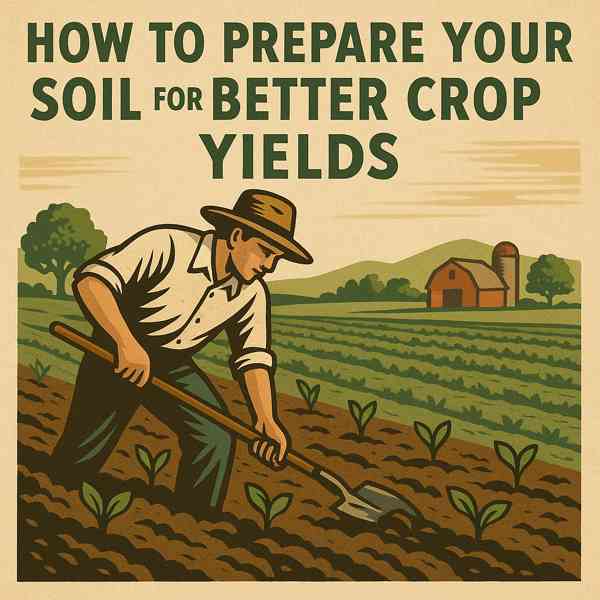
An organic farm is a natural way of growing food and raising livestock.
Starting and maintaining an organic farm requires careful management and sustainable techniques.
Understanding Organic Farming
An organic farm is a system where crops and livestock are grown using organic methods.
Core principles of an organic farm:
- Using compost, manure, and natural amendments
- Crop rotation and diversity
- Using beneficial insects and companion planting
- Raising livestock humanely
By following these practices, organic farms support sustainable agriculture.
Benefits of Organic Agriculture
Organic farming offers valuable advantages to both the environment and human health.
Key advantages of organic practices:
- Enhanced fertility and productivity
- No harmful residues in food
- Biodiversity conservation
- Economic opportunities
Organic farming is more than a method—it’s a way to meet modern consumer demands.
How to Launch Your Organic Farm
Whether you’re growing vegetables, raising livestock, or both, you need to meet organic certification standards.
Key actions to take:
- Research organic certification requirements
- Build soil health before planting
- Diversify your crops
- Invest in quality organic seeds and livestock
Starting with the right foundation ensures your farm will grow without compromising quality.
Challenges of Organic Farming
Managing an organic farm can be less predictable compared to conventional agriculture.
Key difficulties to consider:
- Balancing labor with efficiency
- Avoiding synthetic pesticides
- Keeping organic matter levels high
- Regular inspections and paperwork
Overcoming these challenges requires knowledge, profitable organic farm patience, and resourcefulness.
How to Sell Your Organic Produce
Consumers are often willing to pay a premium, but they need to know your products exist.
How to promote your organic farm:
- Farmers’ markets and local events
- Sharing your farm’s story
- Creating a consistent customer base
- Retail partnerships
By building a strong brand and connecting with the community, your organic farm can reach loyal customers.
Trends Shaping the Organic Industry
As consumer interest in sustainability rises, organic farming is gaining more recognition.
Innovations and changes on the horizon:
- Precision agriculture and organic tech
- Adapting to changing weather patterns
- Increasing demand for local organic produce
- Building consumer trust through authenticity
Staying ahead of these trends will help organic farmers remain competitive.
Conclusion
Organic farming offers a way to promote health.
By following eco-friendly methods and engaging with your community, you can enjoy a profitable and meaningful business.